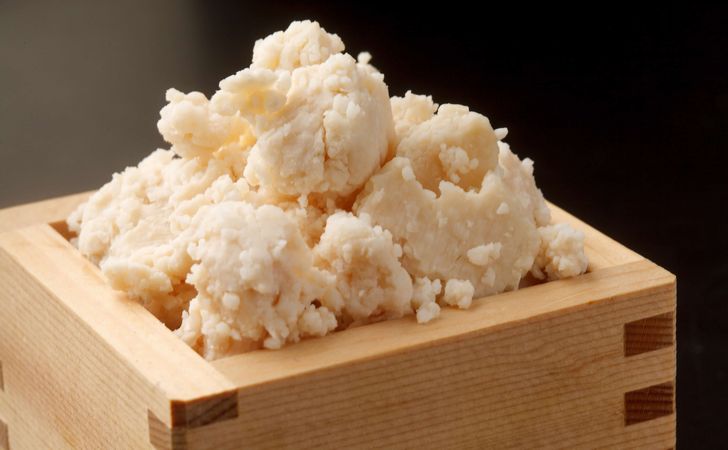
Sake lees (sake kasu) is a byproduct that arises during the production of sake. It is the residue left after rice, koji, and yeast have fermented. Sake lees is white and soft, with a unique flavor and aroma. It is highly nutritious, particularly rich in B vitamins, amino acids, and dietary fiber.
Sake lees is widely used in cooking, especially popular during the winter season. A representative dish is "kasu-jiru," a warm soup made by dissolving sake lees, which helps warm the body. Additionally, sake lees is used as a pickling bed for "kasu-zuke" and as an ingredient for amazake, a traditional sweet drink.
Moreover, sake lees is valued for its beauty and health benefits and is utilized in skincare products and health foods. Sake lees packs are said to moisturize the skin and have whitening effects.
Due to its unique flavor and high nutritional value, sake lees is not only appreciated in traditional Japanese cuisine but also attracts attention as a modern health food and beauty product. Especially in the cold winter season, it is cherished in many households for warming dishes. Rediscovering the charm of sake lees through its various uses in cooking and products is highly rewarding.